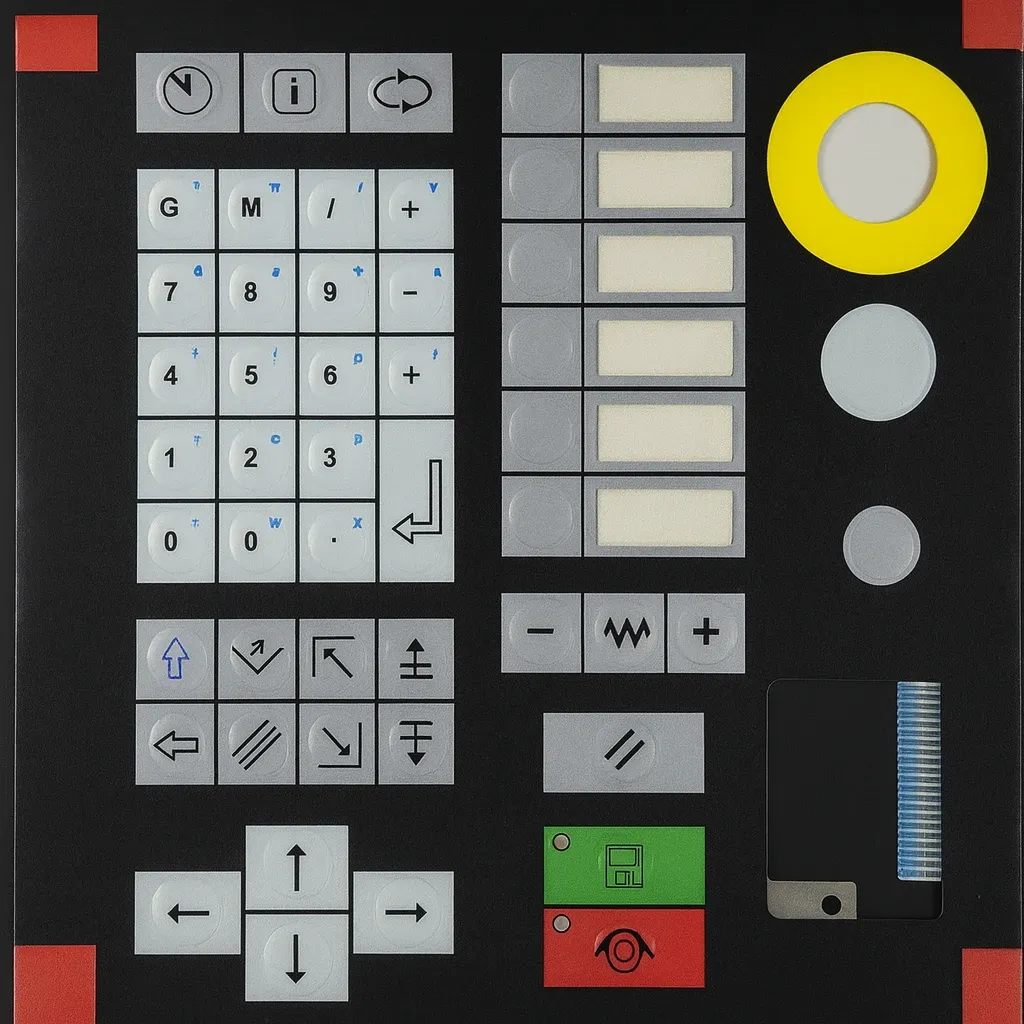
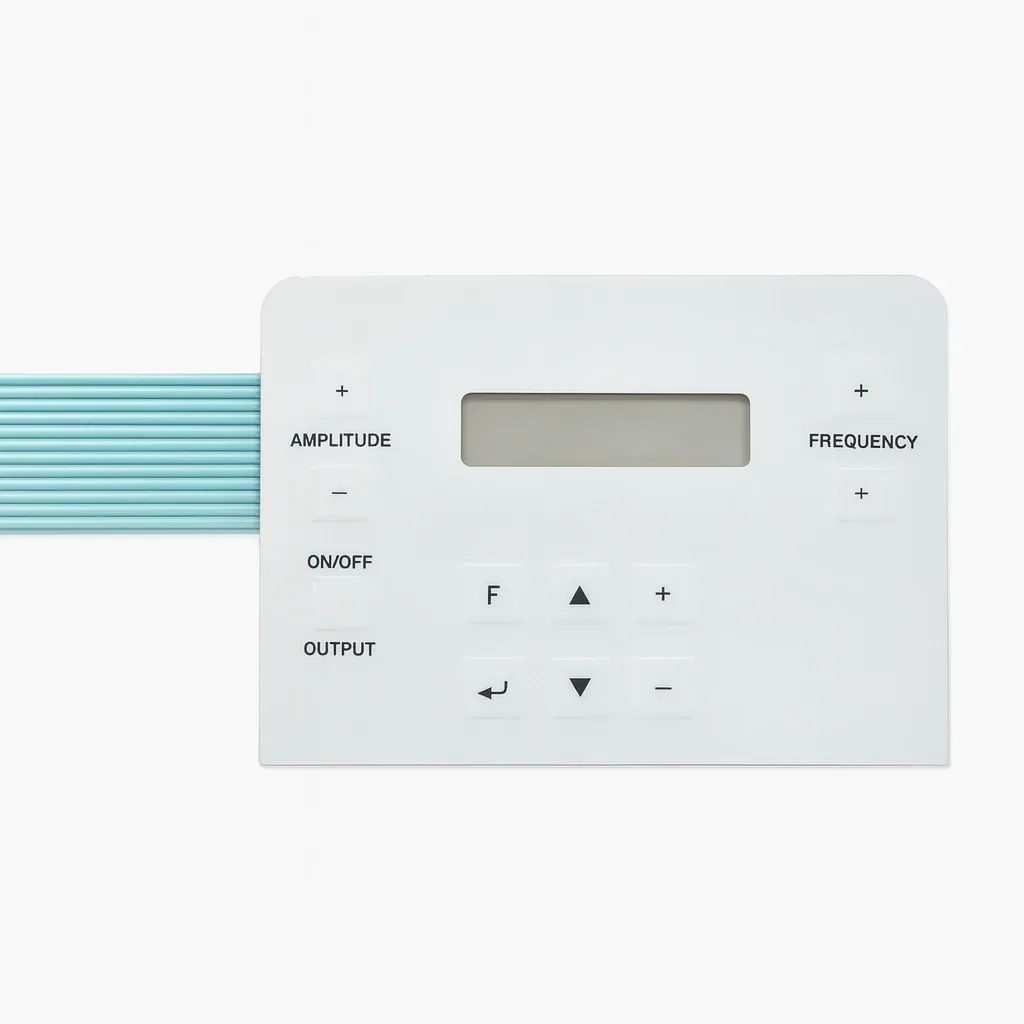
4 product types
Membrane switches
Classic membrane switches with flat or embossed graphic overlays and polyester tactile keys.
Manufacturing in Istanbul since 1995
Graphic overlays, metal domes, LEDs and flex circuits, built in our own facility. Prototypes in 24-48 hours.
Main export markets
Twelve product types, from flat switches to LED and metal dome panels. Every one is built to your drawing.
4 product types
Classic membrane switches with flat or embossed graphic overlays and polyester tactile keys.
2 product types
Stainless steel domes for a crisp snap and millions of actuations.
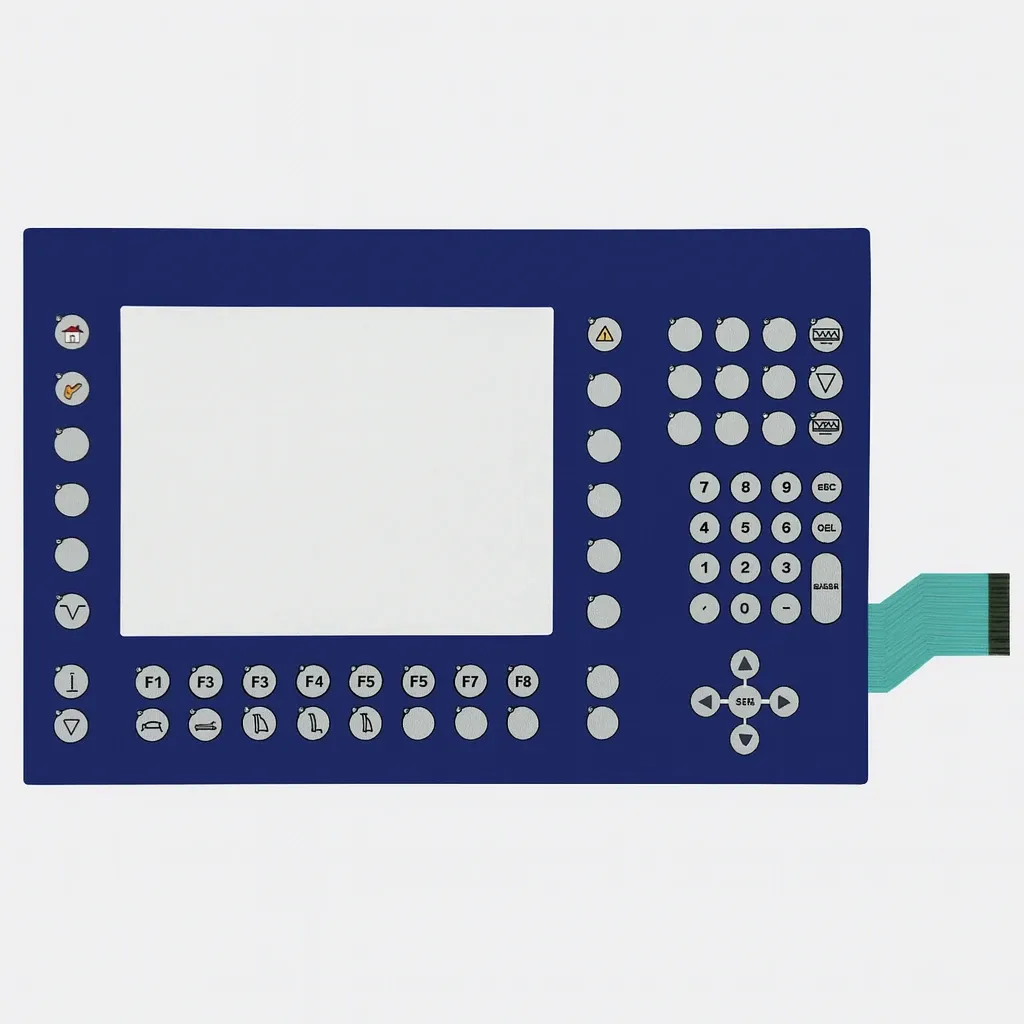
2 product types
SMD chip LEDs embedded in the circuit for status indication and lighting.
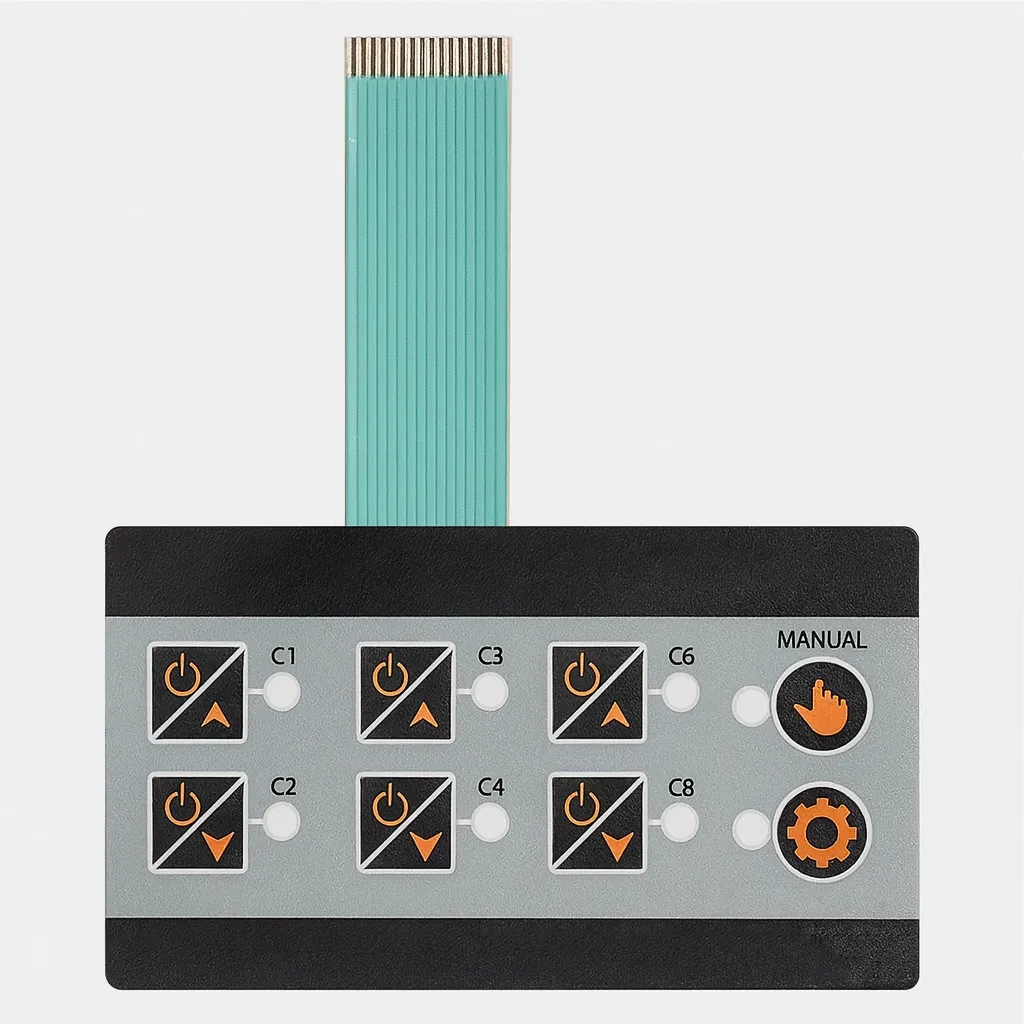
2 product types
Coverless flexible PET circuit layers, ready to pair with your own front panel.
2 product types
Screen-printed flat, embossed and luminous labels for equipment front panels.
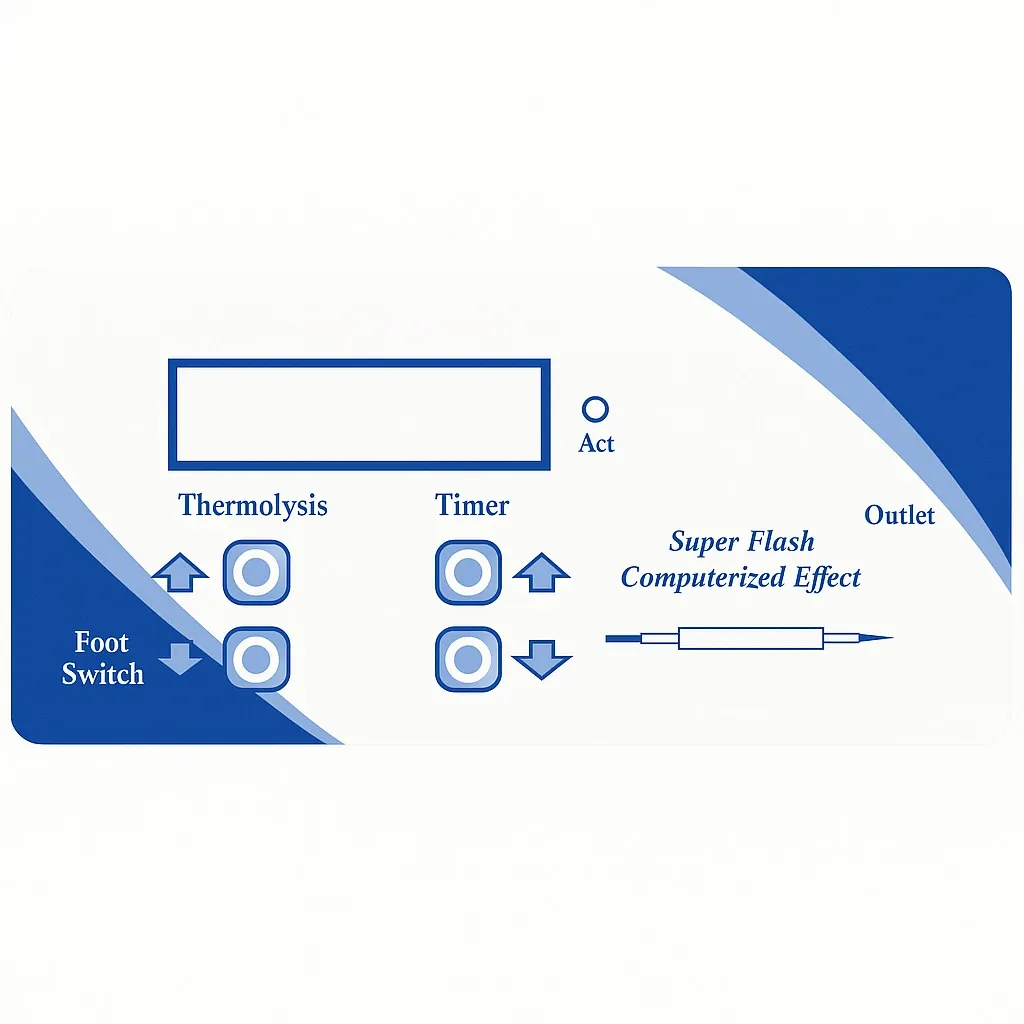
Total stack: 5 layers
Anatomy of a membrane switch
A membrane switch is not a single part. It is a stack of individually produced layers, precisely aligned and laminated together.
Second-surface screen-printed outer layer, resistant to UV and chemicals. Embossing and texture are formed here.
A printed film that flexes on a key press to touch the lower circuit.
Keeps both circuits apart at rest. Its thickness defines key travel and feel.
The dome collapses at a defined force, delivers a crisp snap and closes the circuit.
The adhesive that fixes the switch to the device, plus the flex tail to your controller.
Each gives a different touch. Press the switch and watch the dome collapse and the circuit close.
Values are typical; final specifications are defined per application.
Press the key
CAD and CAM supported planning keeps every project on the same disciplined track.
1-3 days
Application, environment and volumes are defined.
2-5 days
CAD drawing, layer stack and artwork approval.
24-48 hours
A working sample from the approved design.
2-3 weeks
Screen printing, lamination, cutting and assembly.
3-7 days
100% electrical testing and secure packaging.
We build for industries where interface reliability is not up for negotiation.
Sealed surfaces that can be disinfected
Long-life control in harsh conditions
Slim, refined and intuitive interfaces
Resistant to dust, vibration and moisture
Panels that demand high reliability
Precise, consistent tactile feel
1995
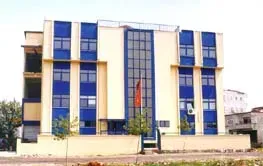
Sultanbeyli, Istanbul
Company
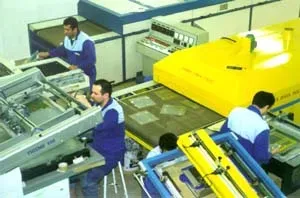
G&D Elektronik was founded in 1995 by Bahadır Gezici and Ahmet Dolmacı. Today, with five engineers and an experienced production team, we manufacture in our own 1,200 m² building.
Circuit and graphic screen printing, lamination, die cutting, embossing, connector assembly and final testing all happen under one roof. Our products are exported to many countries, led by Germany, Switzerland, Italy and Israel.
A membrane switch is a thin, laminated keypad made of a screen-printed graphic overlay, a spacer layer and flexible conductive circuits. When a key is pressed, the upper and lower circuits make contact and generate a signal.
Once the design is approved, prototype samples are usually produced within 24-48 hours. Series production typically takes 2-3 weeks depending on volume and construction.
Metal domes offer a crisper snap and a longer actuation life. Polyester domes give a softer feel and are more economical. The choice depends on usage frequency and the tactile feel you want.
We work with low-volume samples and pilot runs. The same line scales from small batches to more than 500,000 units a year.
A technical drawing (DXF, DWG or PDF), artwork, approximate quantities, preferred key feel and the operating environment all speed up the quote. No drawing yet? We can start from a sample or photos.
Yes. We export regularly to many European countries, led by Germany, Switzerland, Italy and Israel.

For engineers designing industrial machinery or medical devices, the choice of HMI technology has profound implications for usability, durability, and long-term reliability. The primary decision often comes down to a classic matchup: the rugged dependability of a membrane switch versus the dynamic flexibility of a touch screen.
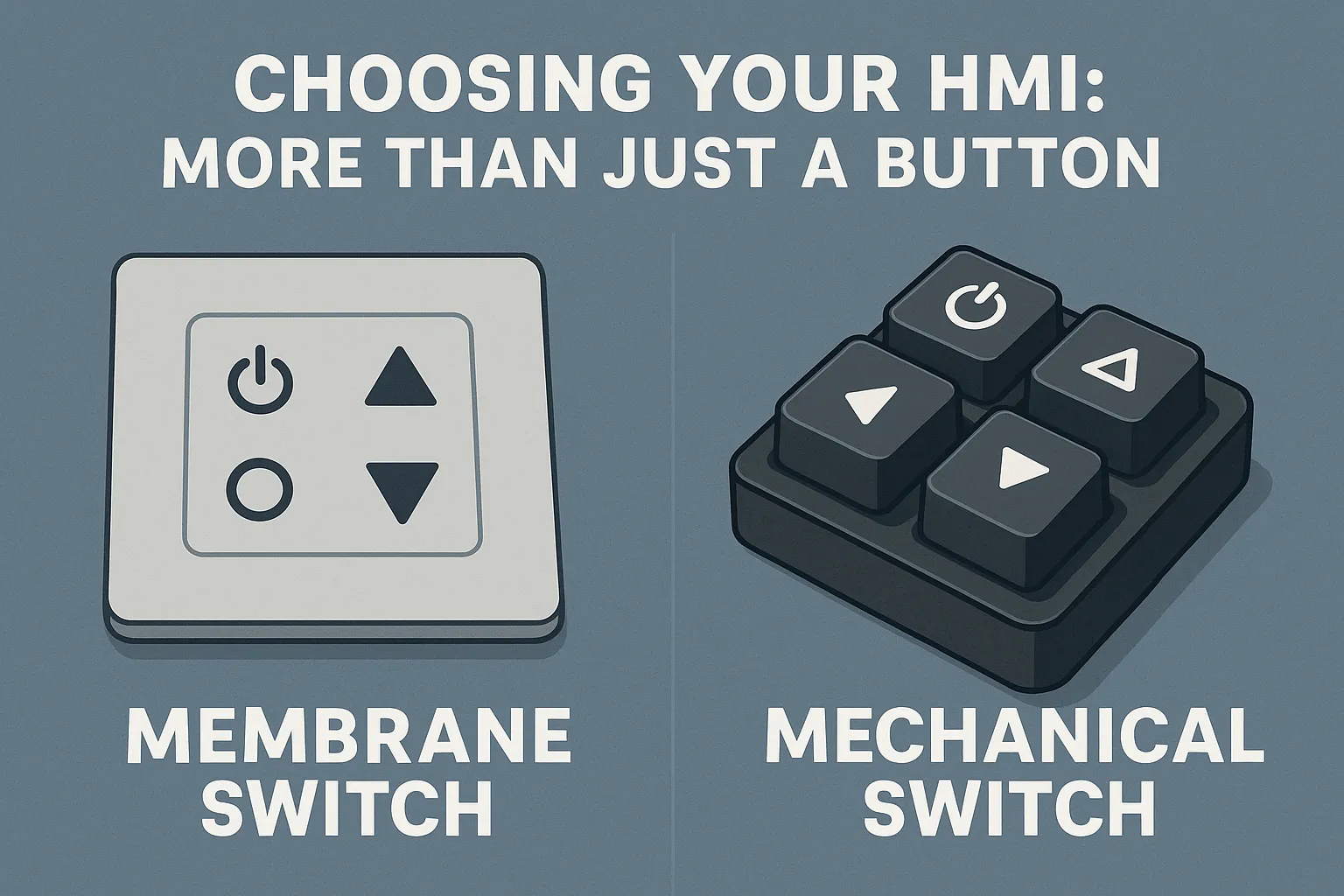
For years, engineers have weighed the pros and cons of two primary technologies: traditional mechanical switches and modern membrane switches. While both can accomplish the same basic function, their underlying construction leads to vastly different performance characteristics.
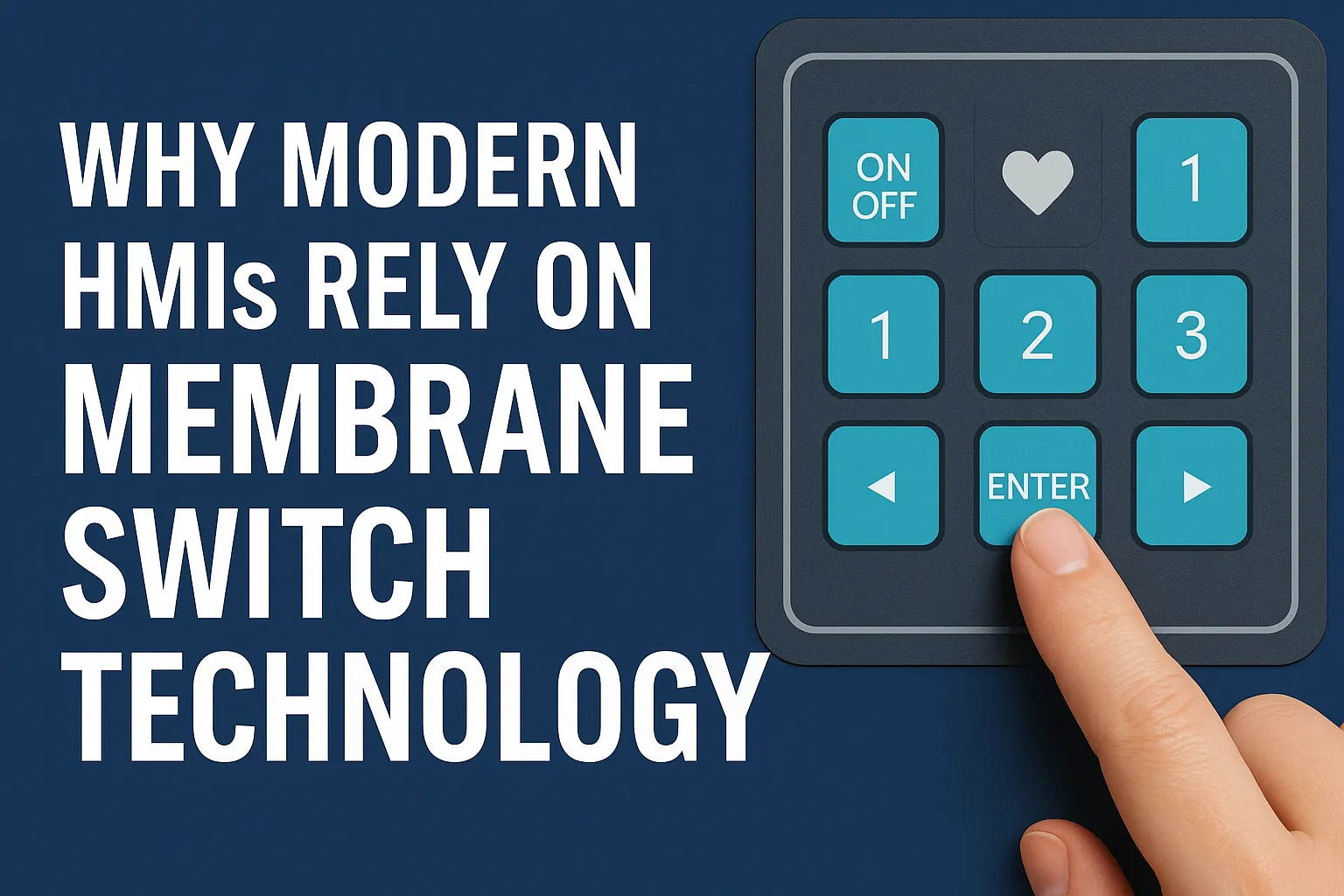
The versatility of membrane switch technology makes it suitable for a vast range of applications, each leveraging different strengths of the design.

